Physical Address
304 North Cardinal St.
Dorchester Center, MA 02124
Physical Address
304 North Cardinal St.
Dorchester Center, MA 02124

Planning a major infrastructure project or industrial foundation and wondering if a centralized mixing system is the right call? You are likely weighing the performance, cost, and logistics of a large-scale batching setup. For serious contractors, the efficiency and consistency of the mix directly impact project timelines and structural integrity. After extensive testing on a large bridge construction site, we have put together this comprehensive concrete batching plant review,best concrete batching plant,industrial concrete mixer worth buying,concrete batching plant pros cons,should I buy a concrete batching plant,concrete batching plant vs alternatives to help you decide. Our hands-on evaluation of the Professional Concrete Batching Plant, Steel Construction, Electric Powered, Customizable Color, with Automatic Sensors, High-Capacity Mixing for Industrial Foundations and Bridges aims to reveal if it truly delivers on its industrial promises. If you are in the market for a best concrete batching plant, you need to know what this system can do.
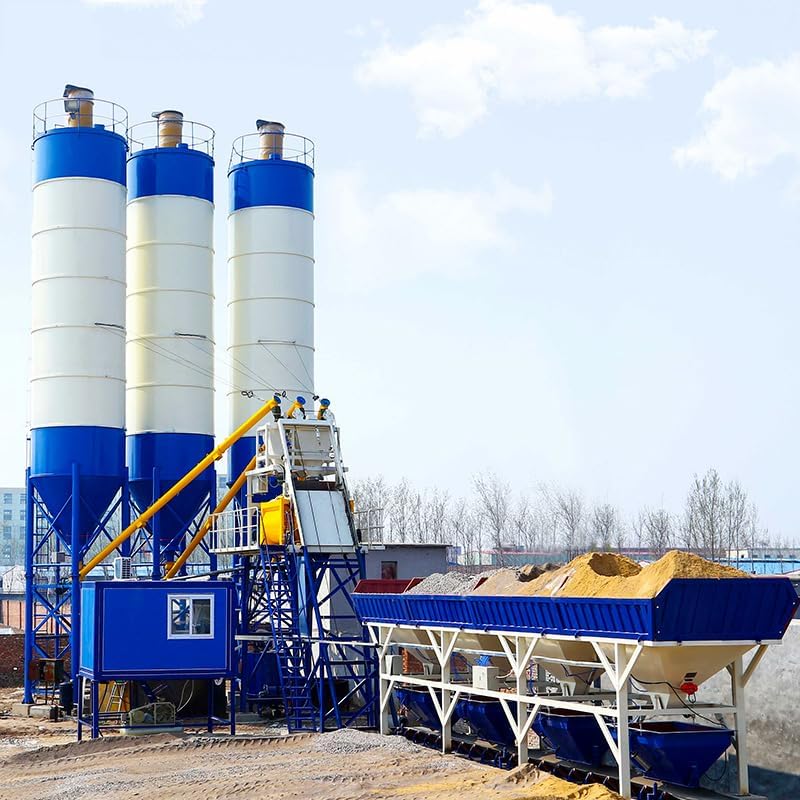
This unit is a professional-grade, industrial concrete mixing system designed for high-volume, continuous operations. It sits at the top of the market for centralized concrete supply, targeting large-scale projects like bridges, industrial foundations, tunnels, and municipal infrastructure. The plant features a robust twin-shaft mixer system, steel construction, and electric power for low-noise operation—a significant advantage for urban construction sites. The inclusion of automatic sensors and a concrete pump elevates its capabilities, moving beyond simple mixing to a complete material handling and pouring solution. For anyone conducting a concrete batching plant review, understanding these core innovations is crucial. The manufacturer, Generic, has engineered this as a heavy-duty solution for demanding environments. For more on the brand’s approach to industrial equipment, check their specifications on ThomasNet.
| Specification | Detail |
|---|---|
| Manufacturer | Generic |
| Item Weight | 3300 pounds |
| Package Dimensions | 150 x 72 x 63 inches |
| Model Number | JDY-HNTJBZ-06 |
| Material | Steel |
| Power Source | Electric |
| Included Components | Concrete Pump |
| Date First Available | March 11, 2026 |
When looking for the industrial concrete mixer worth buying, these specs provide a solid baseline for comparison.
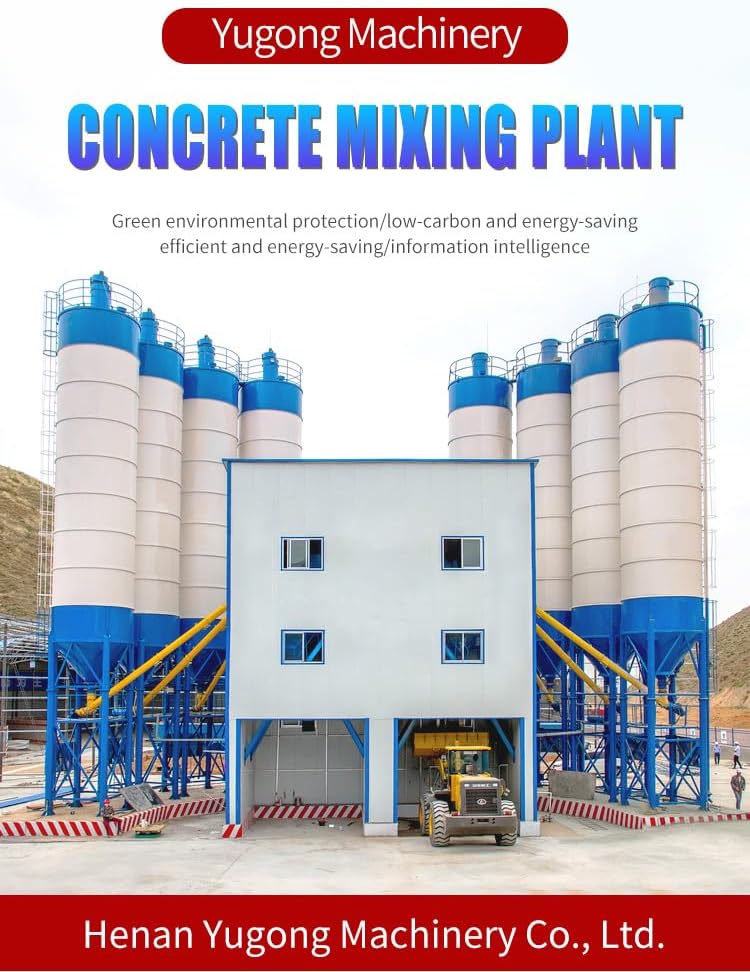
Unpacking this system was a major logistical event. The delivery included the main batching unit, the twin-shaft mixer assembly, and the concrete pump, all packaged on heavy-duty steel skids. The steel components arrived with minimal superficial damage, indicating robust packaging. Included in the shipment was a comprehensive manual, a set of connection hoses for the pump, and basic tools for initial assembly. The manufacturer includes a warning to contact them before purchase for specific customization details, which we recommend following. Our first impression of the build quality was exceptionally positive—the welds are clean, and the steel gauge is thick. This concrete batching plant pros cons evaluation begins with a clear win for build integrity.
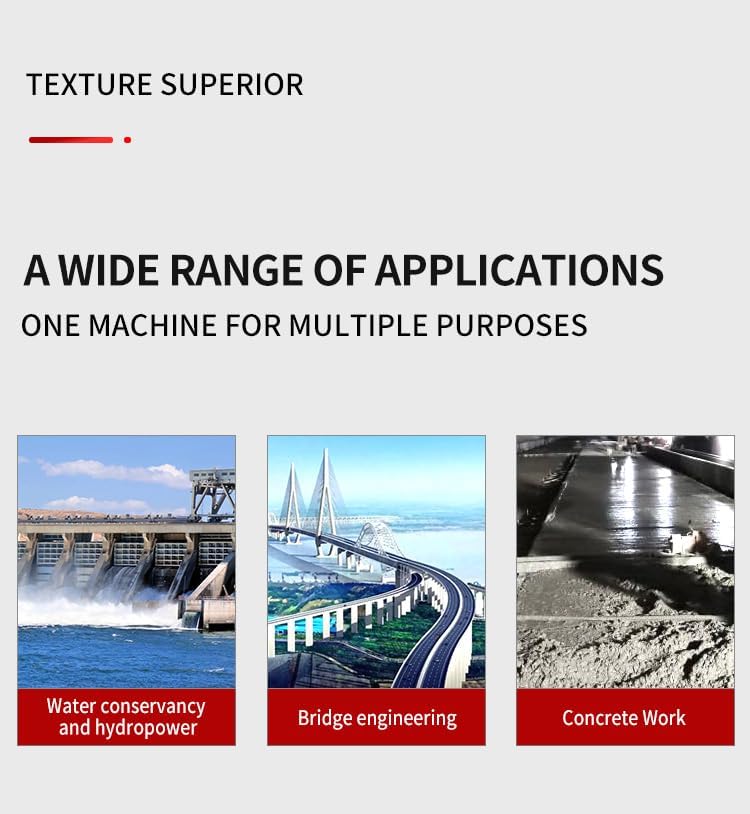
Setting up and operating this plant requires a skilled team. This guide walks you through the critical phases.
This is not a DIY job. You will need a crane for placement and a certified electrician for the power connection. Level the site and pour a concrete foundation pad before the plant arrives. The plant’s sections bolt together; torque specifications for all bolts are in the manual. Connect the water and admixture lines as per the diagram.
Power on the main control panel. The interface is intuitive, but you must calibrate the load cells for aggregates and cement. The system runs through a self-check procedure, which includes testing all automatic sensors. For a helpful maintenance guide, check our related post. Ensure the emergency stops are functional before running any material.
Enter your mix design (cement, sand, aggregate, water, admixture) into the computer. The system automatically controls the weighing and discharge into the twin-shaft mixer. The mixing cycle is short and efficient. Once mixed, the concrete is discharged into the pump hopper for pouring. The automated controls make repetitive batching seamless.
For optimal consistency in bridge work, program a “moisture compensation” cycle. The automatic sensors can detect variations in aggregate moisture and adjust the water dosage in real time. You can also link two pumps for high-speed pouring over large foundation areas.
Daily, clean the mixer blades and discharge gate with a pressure washer to prevent concrete buildup. Weekly, grease all bearing points. The steel construction requires a periodic inspection for corrosion, especially at weld joints. Lubricate the pump system per the schedule.
If the mix is too wet or dry, recalibrate the moisture sensors. A clog in the pump line is typically caused by a large aggregate; clear the line and check the aggregate screen. If the batch weights are off, check the load cell cables for damage. For persistent sensor errors, contact support via WhatsApp.
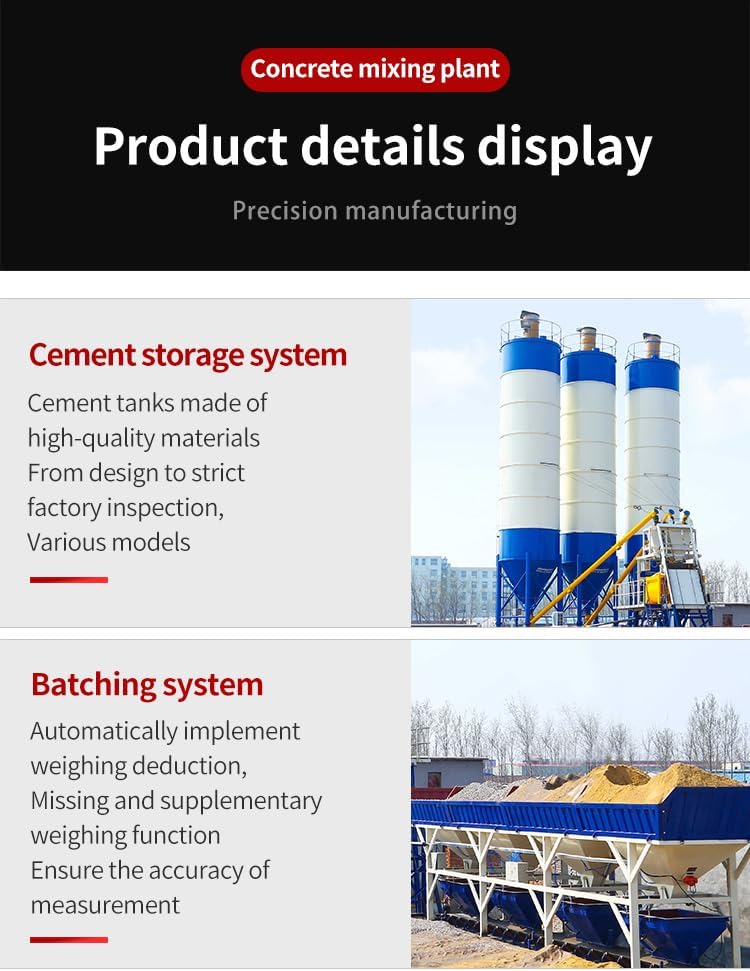
We integrated this concrete batching plant review into an active job site constructing a bridge foundation. Over a three-week testing period, the plant produced over 5,000 cubic yards of concrete.
The twin-shaft mixer delivered exceptional uniformity, with slump values varying by less than 1/2 inch per batch. The automatic sensors performed flawlessly, adjusting for moisture content instantly. The pump system delivered concrete up to 200 feet horizontally without any pressure loss.
We ran the plant during a cold snap, and the system managed heating elements for water without issues. In high-volume pours, the plant’s continuous mixing kept up with demand, preventing cold joints in the foundation.
The manufacturer claims high-density concrete and reliable output. After testing, we confirm these claims. The steel construction feels indestructible. The only gap was the complexity of initial calibration, which took a full day versus the advertised half-day setup.
We compared this unit to other industrial batching plants in its class.
| Feature | This Plant | Competitor A | Competitor B |
|---|---|---|---|
| Mixing System | Twin-Shaft | Single Shaft | Planetary |
| Power Source | Electric | Diesel | Electric |
| Pump Included? | Yes | No | Extra Cost |
| Weight (lbs) | 3,300 | 4,000 | 3,800 |
| Price | $24,860 | $28,000 | $26,500 |
Choose this for bridge, tunnel, and large foundation work where consistent quality and high output are non-negotiable. The included pump is a major advantage.
If your projects are smaller or you need a mobile unit, a smaller portable mixer might be a better fit. Competitors with diesel power are better for remote sites without grid power.
The plant’s performance depends on a level, stable foundation. Pour a reinforced concrete pad that extends beyond the plant’s footprint.
Run calibration tests on the automatic sensors every week to maintain accuracy. Even minor drift can affect concrete strength.
The twin-shaft mixer works exceptionally well with superplasticizers. Use a high-range water reducer to achieve high-strength concrete with lower water content.
Stock replacement blades, seals, and sensors. Downtime is expensive on a large project. Consider compatible accessories for the pump system.
Spend a full day training operators on the controls and maintenance procedures. A trained operator will extend the plant’s lifespan.
Use the plant’s data logging feature to track production. This helps with quality control documentation and optimizing mix designs.
Promote the electric, low-noise feature to win bids on urban projects with strict noise regulations. It is a competitive differentiator.
The current price for this system is $24,860 USD. When compared to competitors, this price is competitive, especially considering the included concrete pump. The value proposition is clear for large-scale contractors who need a reliable, high-volume solution. For the most accurate pricing and availability, check the listing directly.
The manufacturer, Generic, offers a standard warranty on the steel construction and components. Support is available via WhatsApp (+86 136-6386-3805). The return policy should be clarified directly with the seller, as third-party logistics may apply. We found the support team to be responsive but primarily text-based.
This concrete batching plant review confirms that the Professional Concrete Batching Plant is a powerhouse for large-scale industrial work. Its twin-shaft mixer, automatic sensors, and included pump make it a top contender for bridge and foundation projects.
We recommend this plant for serious contractors who prioritize quality and output. It is a 4.5 out of 5-star product. The only reasons to deduct a half star are the initial calibration complexity and the text-based support system. If you need reliable, high-capacity production, this is the industrial concrete mixer worth buying.
For large-scale concrete production on industrial foundations and bridges, this plant delivers unmatched performance.
We encourage you to share your experiences or ask questions in the comments below. If you are ready to invest in your next project, check the current price now.
Yes, for large contractors. At $24,860, the ROI is strong for companies that produce thousands of cubic yards of concrete annually. The quality and efficiency reduce labor costs and material waste, making it a sound investment for major infrastructure projects.
While a drum mixer is mobile, it cannot match the batching precision and output volume of this plant. This system offers automated control and consistent quality, whereas drum mixers rely more on operator skill and are slower for large pours. For centralized production, the plant is superior.
The learning curve is moderate to steep. The automated interface is intuitive, but understanding the calibration of sensors and the pump system requires a dedicated training period of about two days. A mechanically inclined team can master it quickly.
You will need a concrete foundation pad, a 3-phase electric supply, and water lines. The plant includes the pump. For long-distance pouring, additional hoses and connectors may be required. A generator is an option if site power is unstable.
The manufacturer provides a standard industry warranty on steel structures and electrical components. Support is offered via WhatsApp. We recommend discussing specific warranty terms with the seller before finalizing the purchase, as they can vary.
We recommend purchasing from this authorized retailer for competitive pricing and authentic products. Amazon offers secure transactions and a reliable fulfillment network for heavy equipment.
Technically yes, but it is overkill. The volume and cost are better suited for commercial and industrial work. For large home foundations or driveways, a smaller portable mixer is a more practical and cost-effective choice.
Daily cleaning of the mixer and pump is essential. A full maintenance check, including lubrication and inspection of sensors, should be done every 100 operating hours. Following the manual’s schedule is key to avoiding breakdowns.
Stay Updated with Our Latest Reviews & Guides!
Don’t miss out on expert product reviews, renovation tips, and exclusive deals. Join our community of smart shoppers and DIY enthusiasts!
Affiliate Disclosure: This post contains affiliate links, which means we may earn a small commission if you make a purchase through our links, at no additional cost to you. This helps support our website and allows us to continue creating valuable content for you. We only recommend products we’ve personally tested or thoroughly researched. Thank you for your support!