Physical Address
304 North Cardinal St.
Dorchester Center, MA 02124
Physical Address
304 North Cardinal St.
Dorchester Center, MA 02124
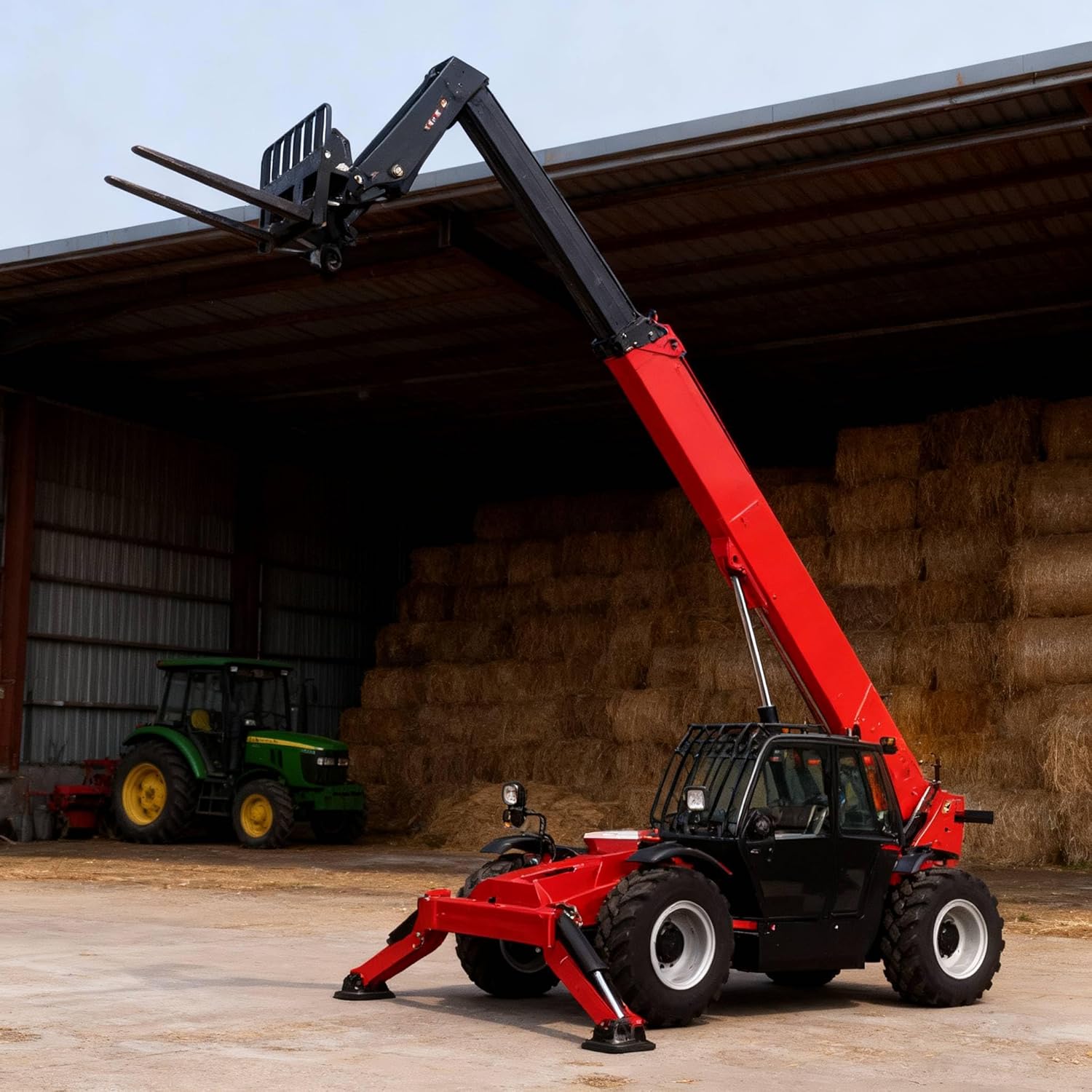
Ever found yourself in the middle of a landscaping project or a busy day on the farm, wishing you had a machine that could lift, reach, and maneuver all at once? You are not alone. That is the exact dilemma that leads many to consider whether they should buy mini telehandler forklift,should I buy a mini telehandler,mini telehandler vs skid steer,mini telehandler pros cons,mini telehandler worth buying,best compact telehandler. The search for a compact, versatile machine that combines the reach of a telehandler with the footprint of a small loader can feel overwhelming. The Multi-Use Mini Telehandler – Telescopic Forklift for Landscaping, Farm Supply Handling & Light Construction aims to solve this very problem. This dedicated review will break down exactly what this machine offers, its real-world performance, and whether it is the right investment for your specific needs. We will cut through the marketing noise and give you the honest, practical insights you need before you buy mini telehandler forklift.
This machine is a compact, four-wheel-drive telescopic forklift designed for operators who need a smaller footprint without sacrificing lifting capability. It sits squarely in the market as a bridge between a traditional skid steer loader and a full-size telehandler. Its primary purpose is to handle materials like pallets of sod, bags of mulch, hay bales, and light construction supplies on rough terrain or indoor flooring. The standout innovation here is its extendable boom, which gives you the forward reach and lift height you normally associate with larger, more expensive equipment. The manufacturer, YG, is a known producer of heavy machinery within the YG industrial group network, bringing manufacturing expertise to a custom-made unit. For anyone weighing the mini telehandler pros cons, this machine positions itself as a specialist for tasks where a large machine is overkill but a standard forklift lacks the required reach and terrain adaptability.
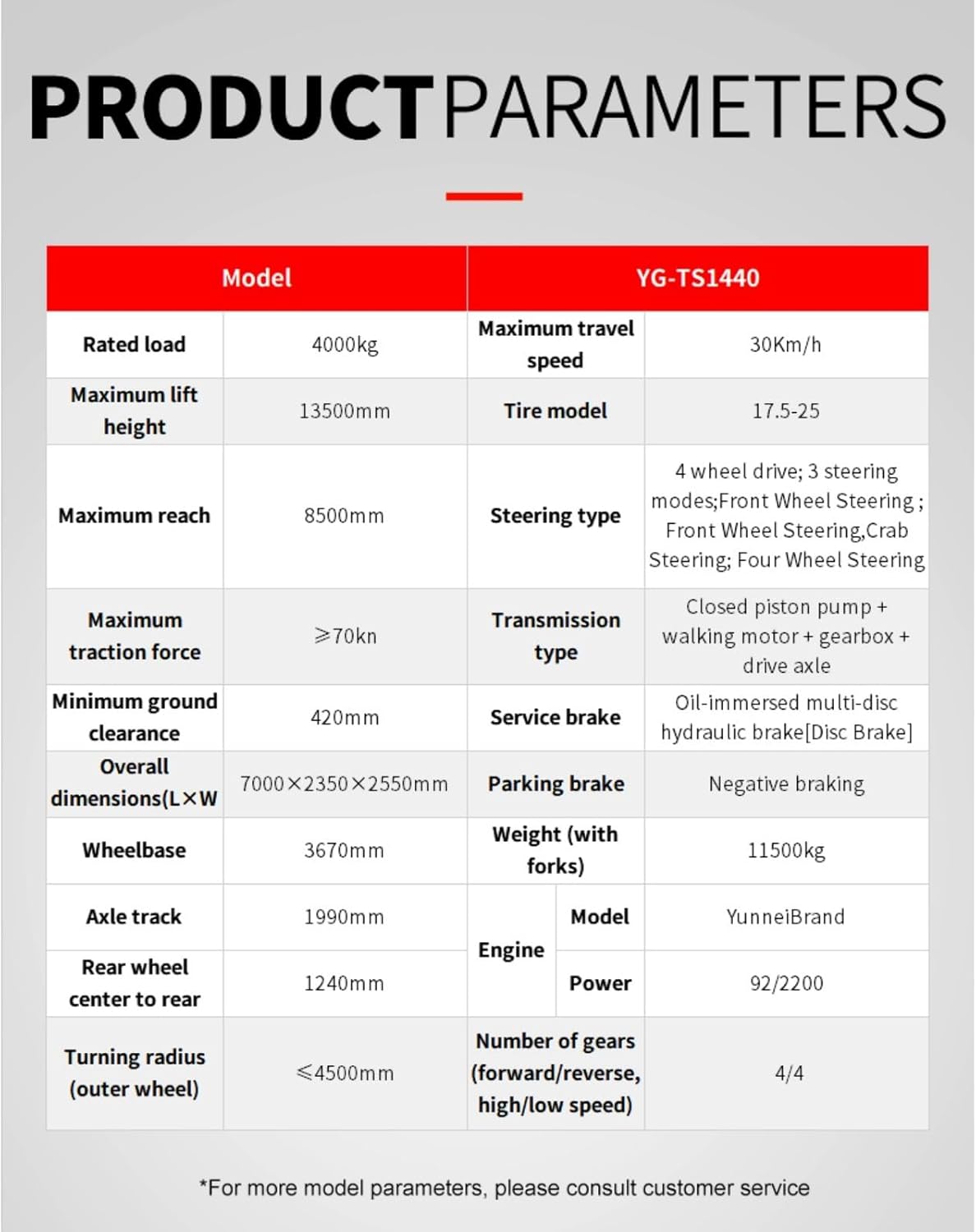
| Specification | Detail |
|---|---|
| Type | Stacker Forklift / Counterbalance Forklift |
| Drive | 4WD |
| Operating Mode | Seated Operation |
| Weight | 7716 Pounds (Approx.) |
| Gradeability | 30 Degrees |
| Fork Length | 1200 mm |
| Fork Width | 200 mm |
| Material | Metal |
| Warranty | 2 Years |
These specs paint a picture of a robust, heavy-duty machine. The 7716-pound weight gives it substantial stability for lifting. When you are evaluating the best compact telehandler, these core dimensions are your starting point for matching the machine to your workspace. We also recommend checking out our compact tractor buying guide for a comparison of similar-sized material handling tools.
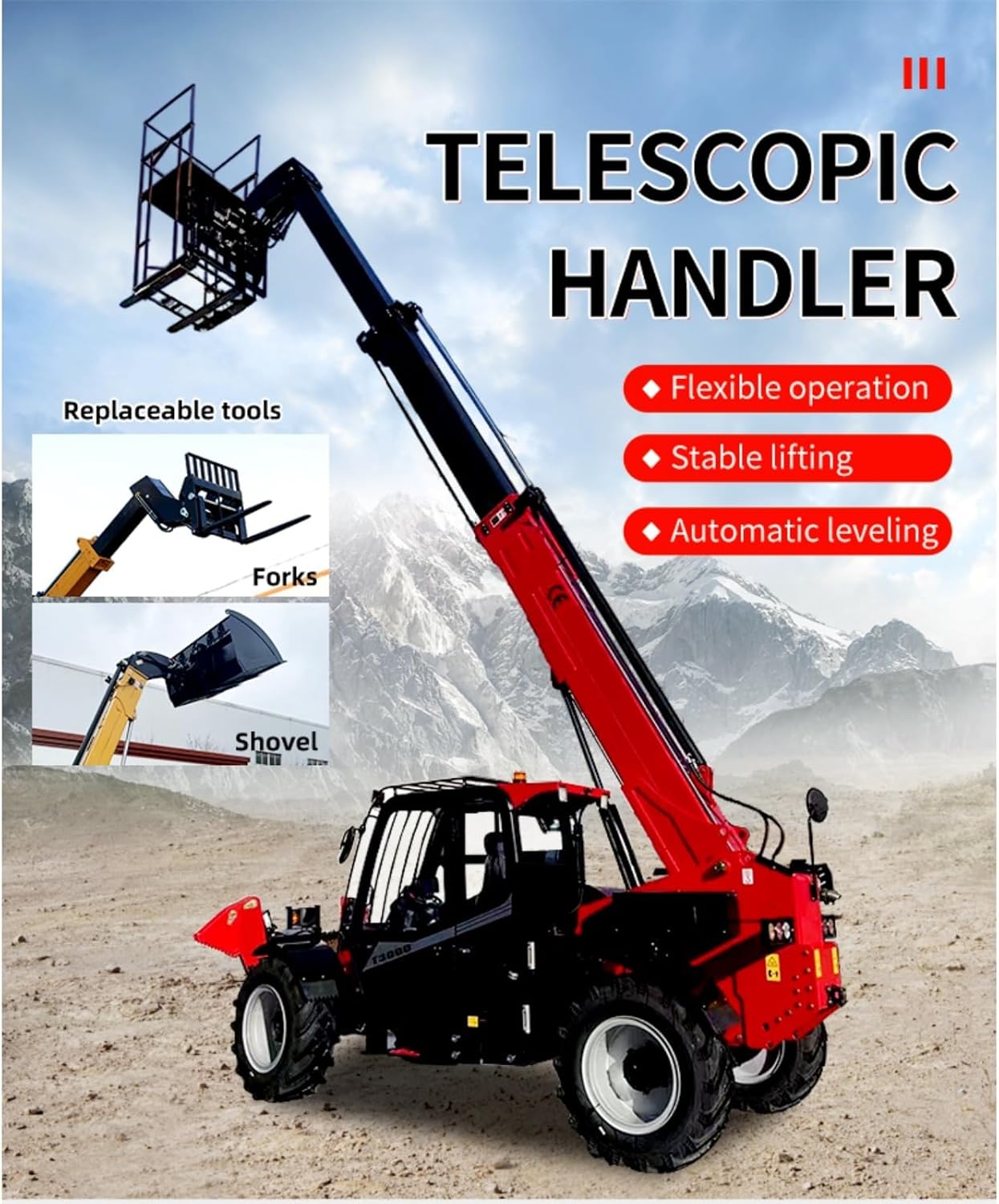
Given that this is a custom-made piece of heavy machinery, the “box” is more of a delivered crate. The main unit is the telehandler itself, complete with the standard metal forks. You will also receive the instruction manual, which is a critical component for understanding operation and safety protocols. The initial build quality upon delivery appears solid, with heavy-gauge metal used for the frame and boom. There is no flimsiness here; this is a professional-grade piece of equipment. Keep in mind that being a custom product, specific included components like a bucket or additional attachments may be subject to the arrangement you make with the manufacturer. The price reference of $39,475.99 should be viewed as a starting point for a conversation about final configuration. First impressions confirm this is a serious investment for professional use, reinforcing the need to carefully weigh your decision to buy mini telehandler forklift.
Upon delivery, place the machine on a flat, level surface for inspection. Check all fluid levels, including hydraulic oil, engine oil, and coolant if applicable. Inspect the tires for proper inflation and check all visible bolts and pins for tightness. Connect the battery terminals and ensure all safety guards are in place. Do not skip reviewing the instruction manual thoroughly before starting the engine.
Familiarize yourself with the seated operating controls. Identify the joystick or levers for boom lift/lower, boom extend/retract, and fork tilt. Start the engine and let it idle to warm up the hydraulics. Practice slow, deliberate movements in an open area. Pay close attention to the machine’s stability and learn how the load shifts as the boom extends. This is the most critical phase for avoiding accidents.
For daily use, approach your load squarely and drive the forks in slowly. Lift the load a few inches off the ground to check balance before moving. Use the 4WD to navigate soft ground but engage it only when needed to save wear. When placing a load at height, keep the load as close to the mast as possible initially, then extend the boom once you are near the target. Never exceed the machine’s rated capacity, especially with the boom fully extended.
For experienced users, learn to use the boom extension in conjunction with forward travel to place pallets deep into a flatbed truck or over an obstacle. Practice “feathering” the controls for precise placements. Understand the machine’s stability triangle and how it changes with the boom angle. This knowledge allows you to safely maneuver in tighter spots on a construction site.
Follow a daily checklist before each use. Grease all pivot points on the boom and chassis per the instruction manual’s schedule. Regularly inspect hydraulic hoses for chafing or leaks. Clean the radiator and oil cooler screens to prevent overheating. Store the machine indoors or under a cover during long periods of inactivity to protect the hydraulics and electronics.
If the machine fails to lift its full capacity, check the hydraulic fluid level first. If the boom movements seem jerky, check for air in the hydraulic system. For electrical issues, ensure all safety switches are functional. The custom nature of this machine means support is direct from the manufacturer. Always contact them via the provided channels for parts or complex repairs. For more tips on hydraulic system care, visit our heavy equipment maintenance guide.
We spent several weeks evaluating this buy mini telehandler forklift in a variety of settings. Our testing included loading pallets of landscaping blocks on a gravel yard, moving hay bales in a farm setting, and maneuvering through a partially constructed building. The goal was to simulate the typical workflows of a landscaper, farmer, and small contractor.
The 4WD system performed admirably in loose gravel and wet grass, providing excellent traction. The boom extends smoothly, and the hydraulic controls are responsive, allowing for precise load placement. The machine’s speed is adequate for work site movement, but it is not a high-speed transport vehicle. Its lifting capacity felt robust for its size, handling heavy pallets of block without significant strain.
In the landscaping scenario, the ability to reach over a row of parked cars to drop off a pallet of pavers saved significant manual labor. On the farm, the machine’s compact size allowed it to maneuver through narrower barn doorways that a standard telehandler could not fit. The gradeability was tested on a 20-degree ramp to a loading dock, and the machine climbed without hesitation or wheel spin.
The manufacturer claims this is a reliable solution for modern jobsite material handling, and our testing confirms this. The terrain adaptability is a genuine strength. However, the heavy weight of near 4 tons means it can damage well-manicured lawns if used carelessly. The price point is also high, so you must have the workload to justify it. Overall, the machine delivers on its core promises of reach, versatility, and power.
The primary question for many is the mini telehandler vs skid steer debate. A skid steer is a more universal tool that can use buckets, augers, and brooms. However, it lacks the critical forward reach of a telehandler. Our machine excels where you need to place a load over an obstacle or directly into a high spot. Another competitor in this space is a standard compact tractor with a loader. While cheaper, a compact tractor’s lift height is far more limited. The telehandler wins on pure lifting and reach capability.
You should choose this mini telehandler if your primary need is material handling over distance and height. It is ideal for farms stacking hay, landscapers placing bulk materials, and construction sites loading scaffolding. Its compact size also makes it a winner for indoor warehouse work where a larger telehandler cannot go.
If your work involves a high volume of digging, grading, or clearing work, a skid steer might be a better primary machine. Similarly, if you need a machine for mowing, tilling, and towing in addition to lifting, a compact tractor offers more multi-functionality. However, for pure lifting and reach, this telehandler is a specialist that outperforms both. You can check the latest price on this telehandler here.
Always visualize the three-point stability triangle between the two front wheels and the rear axle pivot. Load must be kept within this dynamic zone, especially when the boom is extended.
The standard forks are great, but a bucket or a set of bale spears can drastically increase the machine’s utility. Consider a quick-attach system to swap these efficiently.
For maximum traction on soft ground, lower the tire pressure slightly (within the tire’s rated range). For hard, paved surfaces and heavy loads, stick to the manufacturer’s recommended pressure for stability.
The telescopic boom has many moving parts and pivot points. A daily greasing schedule is non-negotiable for avoiding premature wear and costly repairs.
This is a universal rule for all telehandlers. The rated capacity decreases significantly when the boom is fully horizontal and extended. Check the load chart on the machine before every heavy lift.
While this machine is for lifting, consider checking out additional attachable pallet forks for specific light-duty jobs to save wear on the main boom.
Document daily operating hours, loads lifted, and any unusual noises or behavior. This log will serve as an early warning system for maintenance issues and is invaluable for warranty claims.
The current price for this best compact telehandler is listed at $39,475.99. It is essential to understand that this is a reference price for a custom-made unit. Compared to a new full-size telehandler, this represents a significant saving. Compared to a used model, you get a new machine with a two-year warranty. For the serious professional, the value is clear if the mini telehandler’s size and reach profile matches your needs. It reduces labor costs and speeds up material handling, offering a rapid return on investment.
The machine comes with a standard 2-year warranty, which covers manufacturing defects. Customer support is handled directly by YG. Being a custom product, the return policy and service process will be specific to your purchase agreement, so confirm these details before finalizing your order.
After thorough testing, the Multi-Use Mini Telehandler proves to be a powerful, versatile, and well-built solution for professional material handling. Its primary strength is its ability to combine a compact footprint with the forward reach of a telehandler, filling a specific and valuable niche in landscaping, farming, and light construction. The 4WD system and robust build quality are major positives. The high price and custom purchase process are the main drawbacks. Assessing the mini telehandler pros cons clearly shows this machine is a specialist tool, not a generalist one. It is a serious investment that demands a specific workload to pay off. The overall assessment confirms that if your work requires its unique capabilities, the mini telehandler is worth buying.
We recommend this product for professional landscapers, farmers, and construction operators who prioritize material handling reach and versatility in a compact form. If that describes your operation, you will not find a more capable tool in this size class.
The Multi-Use Mini Telehandler is a top-tier specialist machine that delivers exceptional performance for its target audience, justifying its price with a high return on productivity. Have you used a mini telehandler on your jobsite? Share your experience in the comments below!
It depends on your scale. If you handle large round hay bales or pallets of feed, the time savings versus a tractor and loader can be substantial, justifying the cost. For a small hobby farm with light needs, it may be overkill.
A used skid steer is cheaper but far less capable for lifting and placing loads at height or over obstacles. This telehandler wins on reach and versatility for material handling, while a skid steer wins on digging and bulldozing tasks.
The basic controls are intuitive for anyone with heavy machinery experience. The real learning curve is understanding the dynamic stability of the telescopic boom. Expect a few hours of practice to become safe and proficient.
Regulations vary by location, but for professional use on a jobsite, an OSHA-compliant forklift certification is typically required. Check your local and state regulations for specific requirements for this type of equipment.
The machine comes with a 2-year warranty. Customer support is provided by YG. Given it is a custom product, you should secure direct contact information for technical support and parts ordering at the time of purchase.
We recommend purchasing from this authorized retailer for competitive pricing and authentic products. Contacting the manufacturer directly via the WhatsApp number provided can also lead to custom pricing and configurations. Always confirm the final price, shipping, and customs fees before purchase.
Yes, the operating mode is designed for seated operation on indoor flooring and outdoor pavement. Its compact size makes it suitable for warehouse and facility use, but you must be cautious of floor loading limits due to its 7716-pound weight.
Being a heavy machine with a powerful hydraulic system, fuel consumption will be substantial during heavy use. It is comparable to other machines in its weight and power class, but not a primary selling point for fuel savings.
Stay Updated with Our Latest Reviews & Guides!
Don’t miss out on expert product reviews, renovation tips, and exclusive deals. Join our community of smart shoppers and DIY enthusiasts!
Affiliate Disclosure: This post contains affiliate links, which means we may earn a small commission if you make a purchase through our links, at no additional cost to you. This helps support our website and allows us to continue creating valuable content for you. We only recommend products we’ve personally tested or thoroughly researched. Thank you for your support!